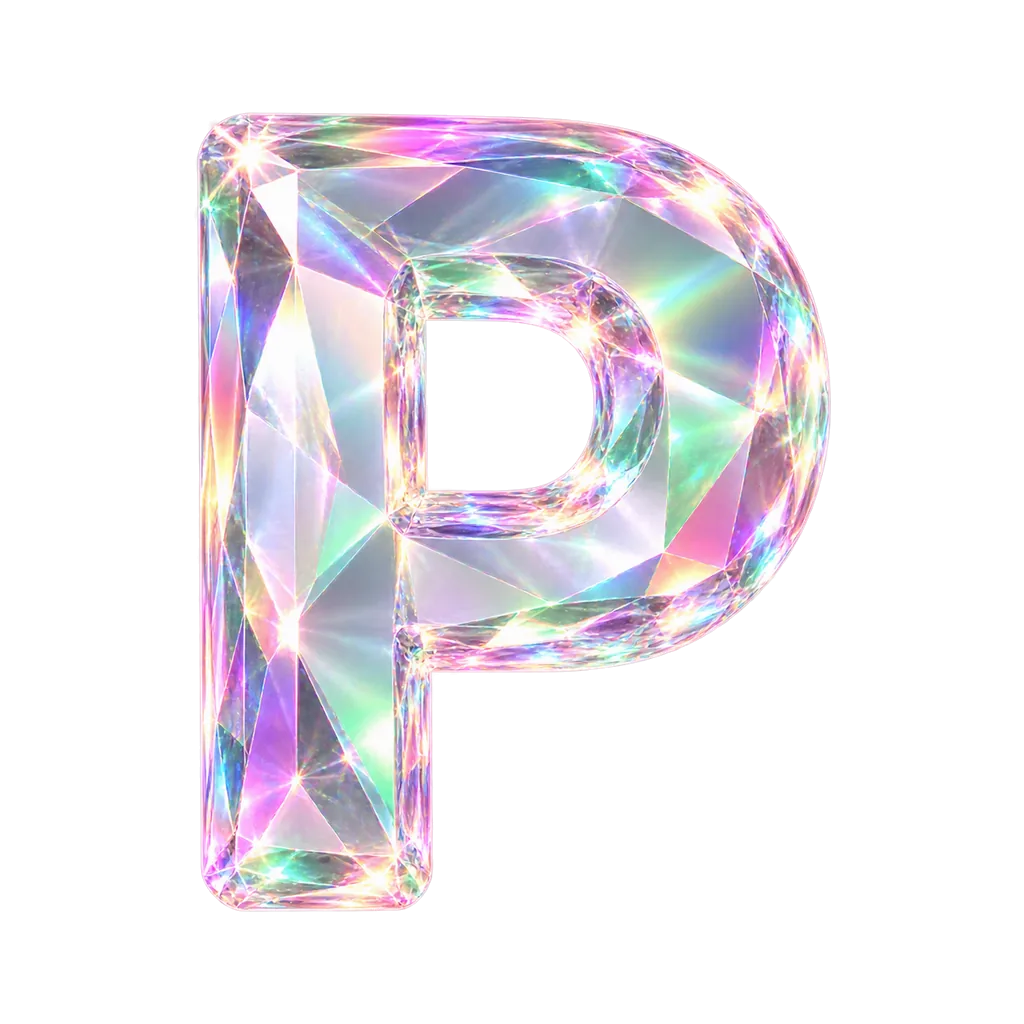
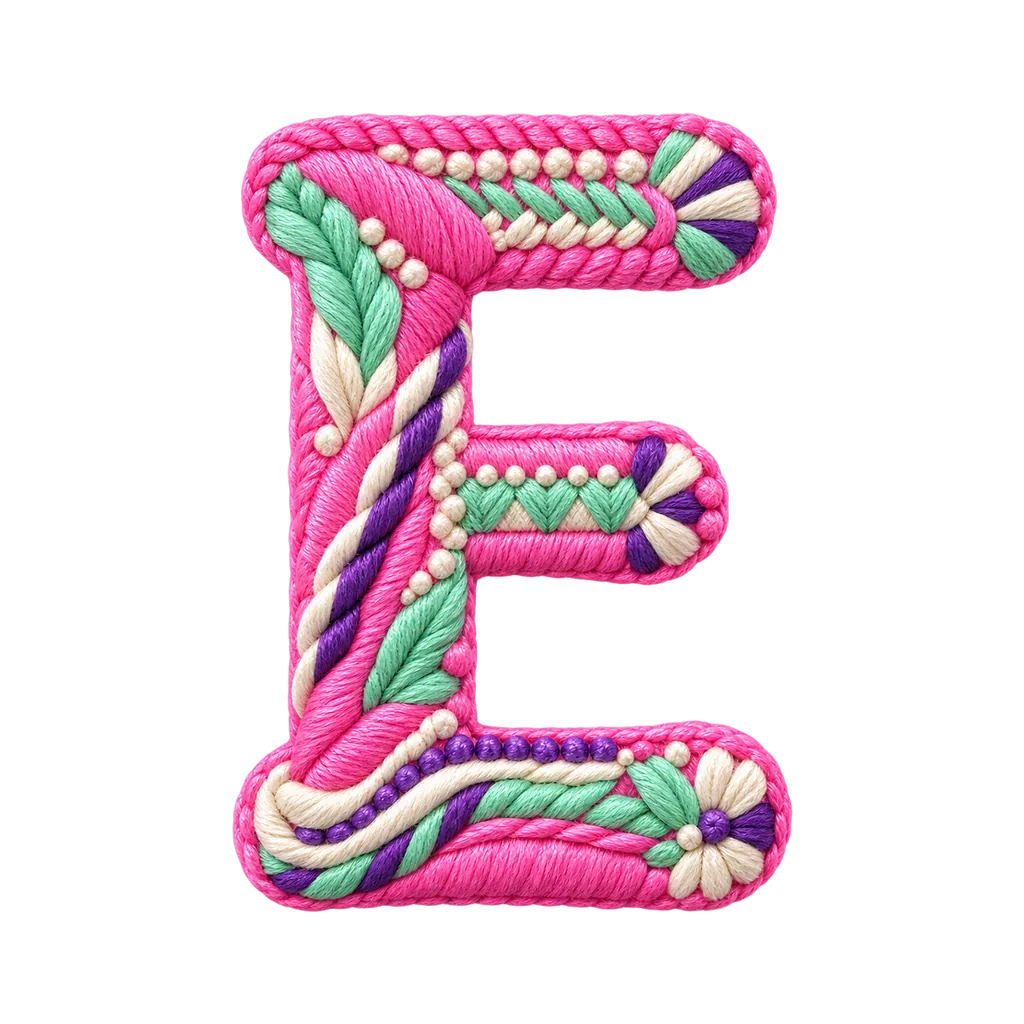
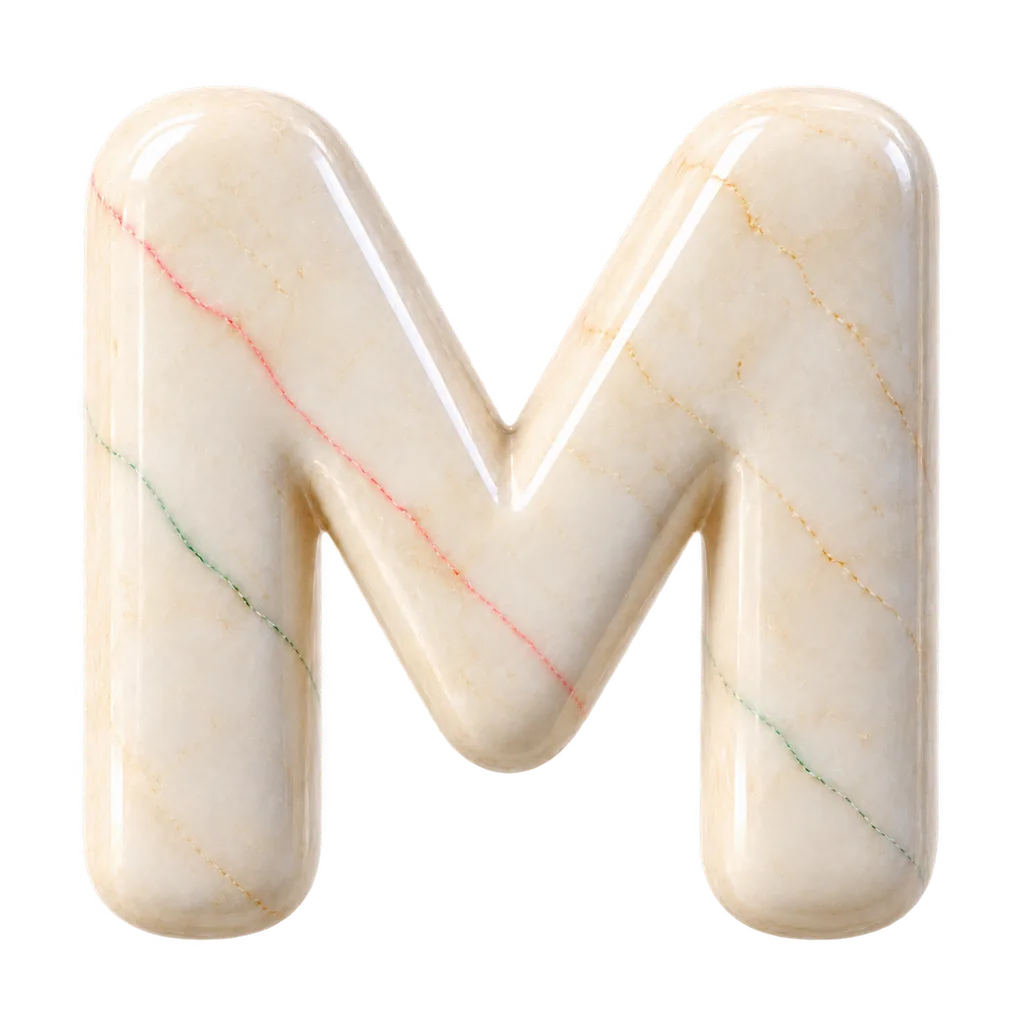
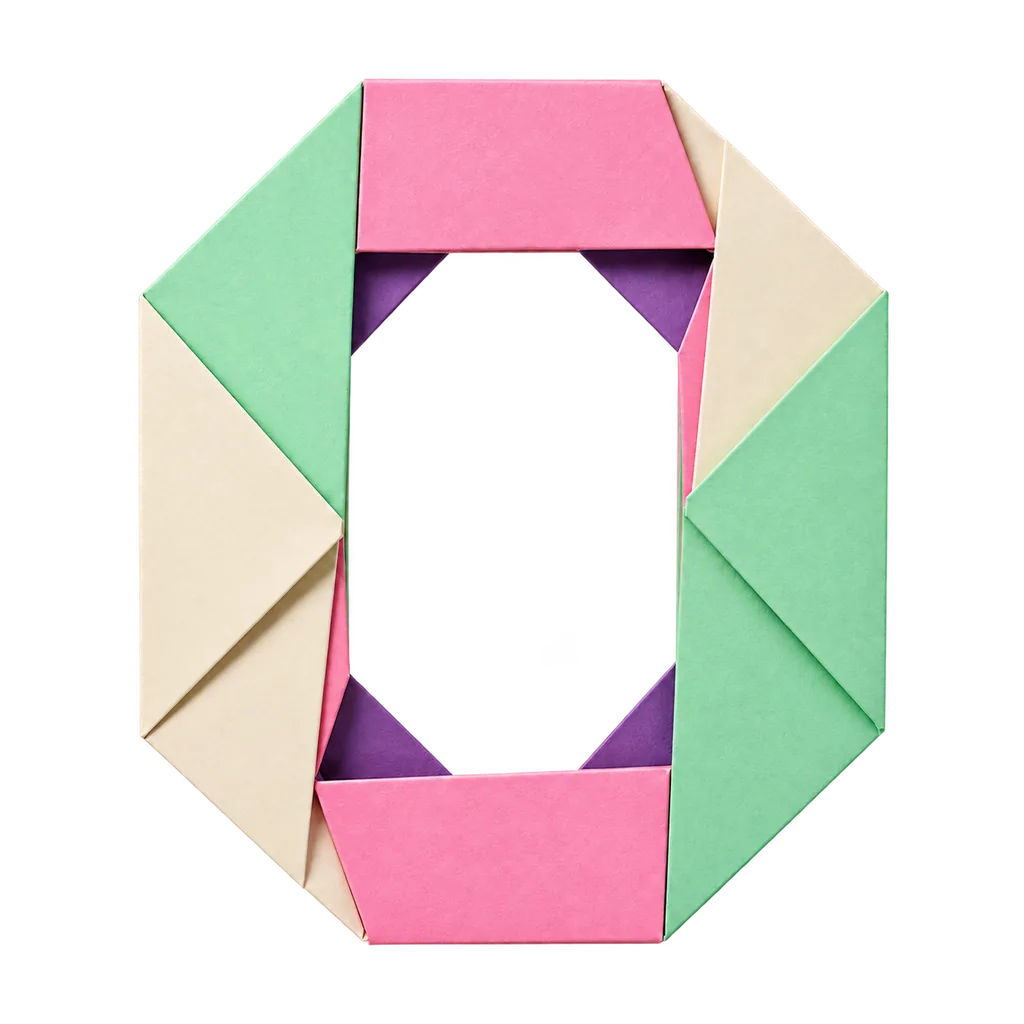
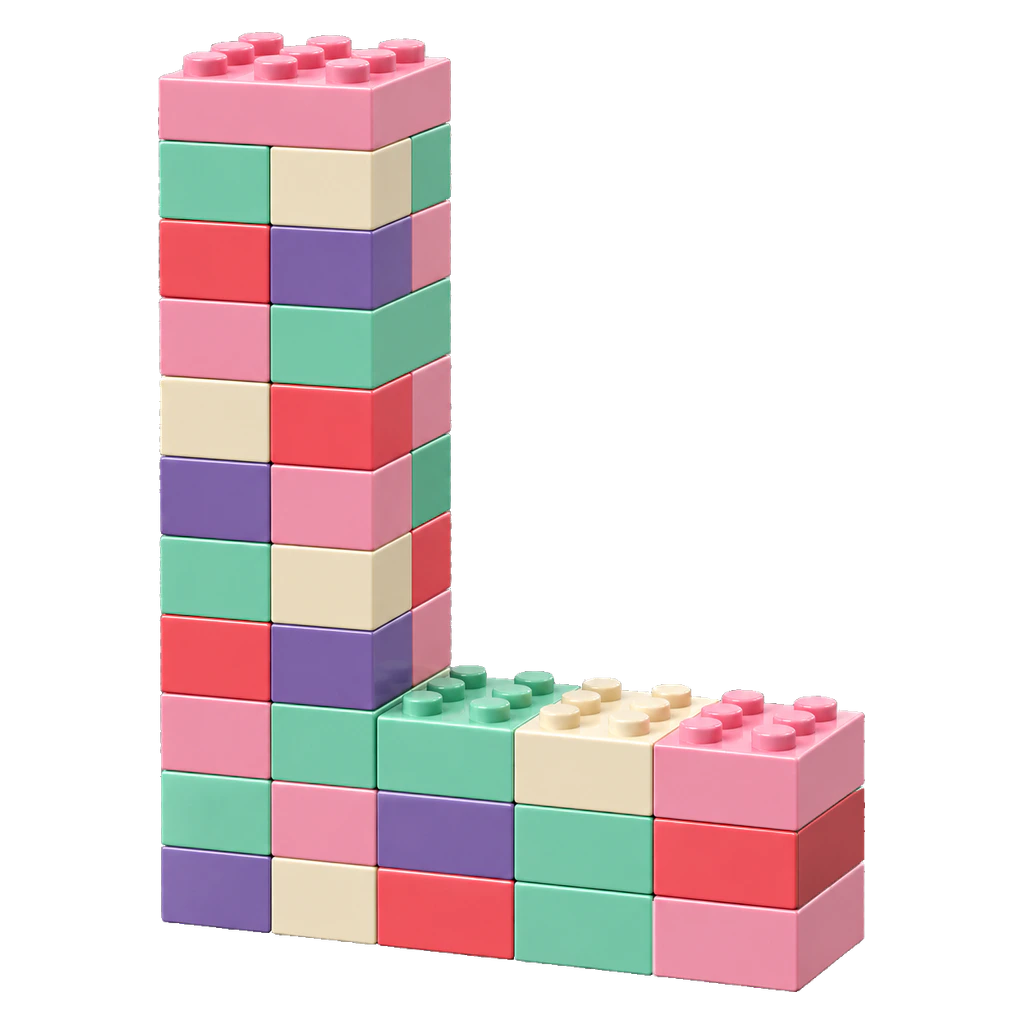
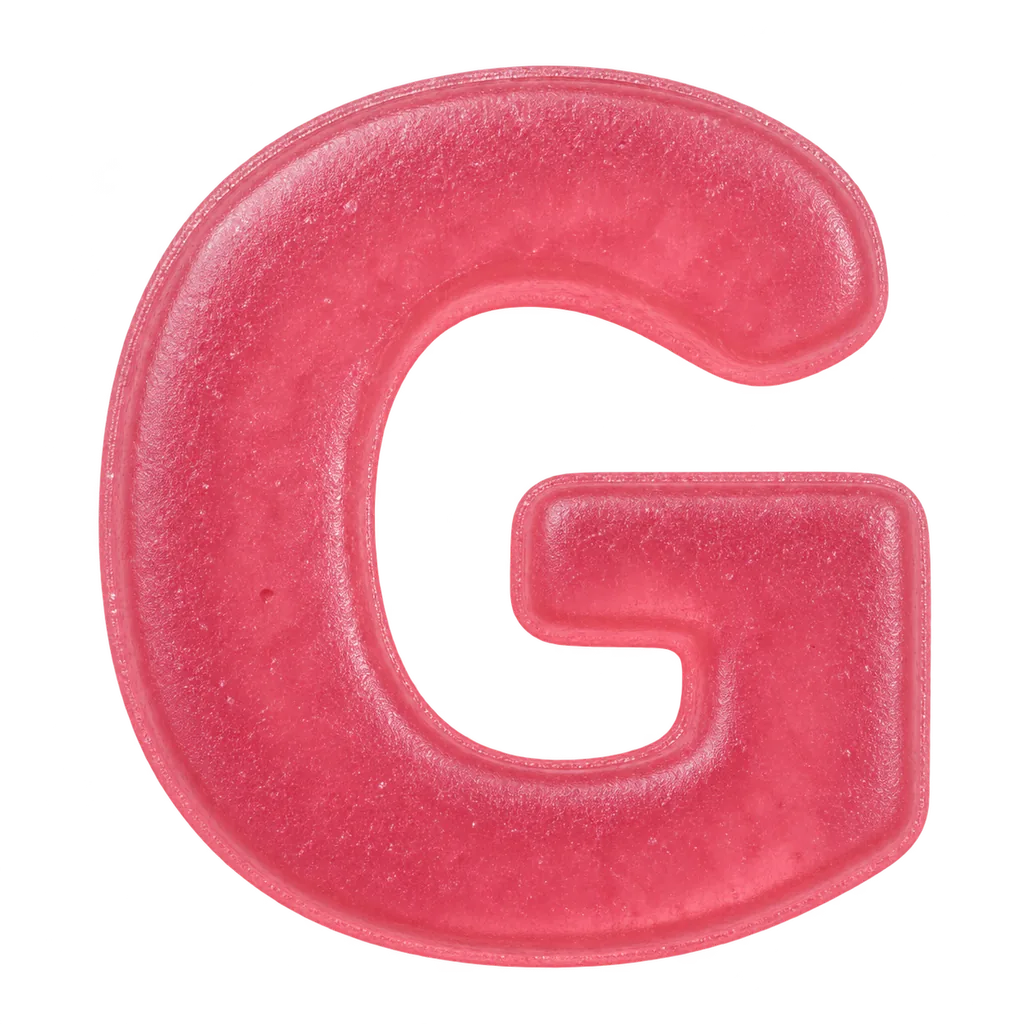
What makes a strong AI letter prompt?
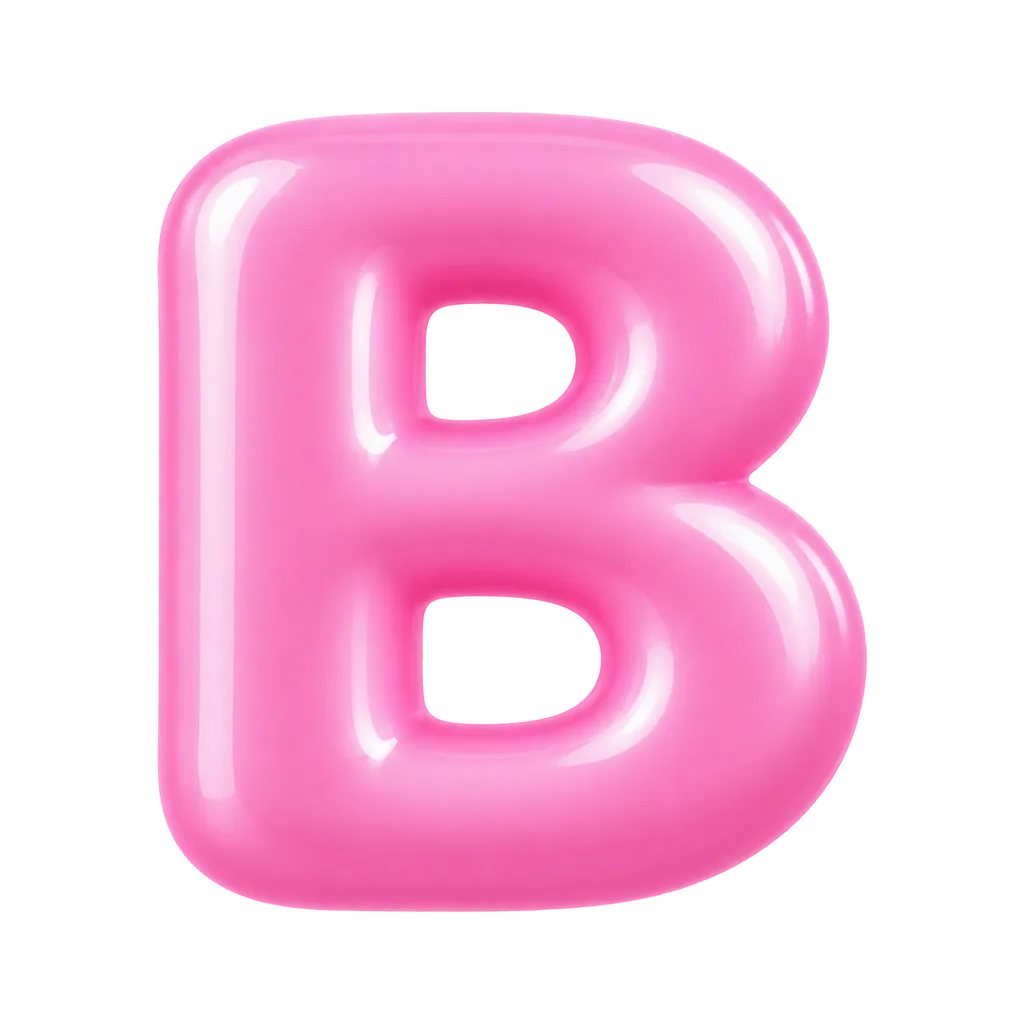
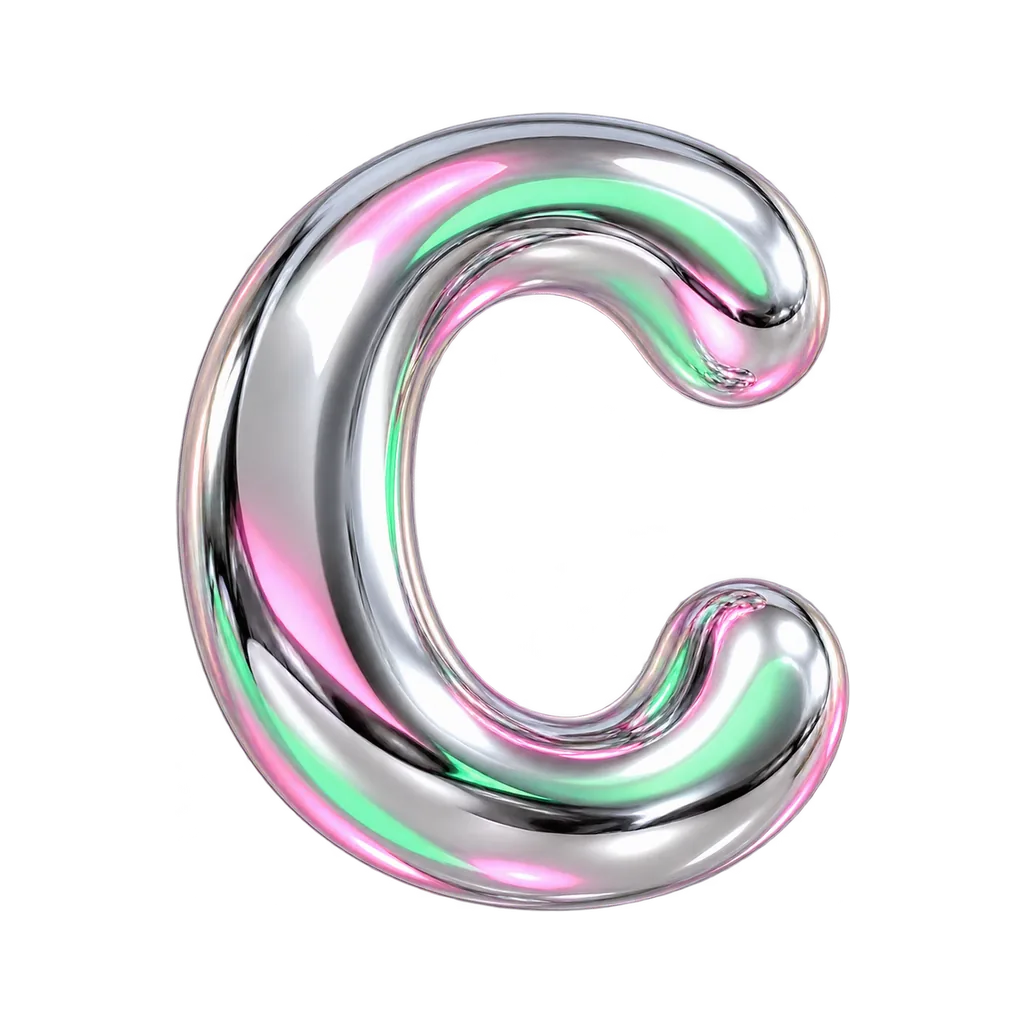
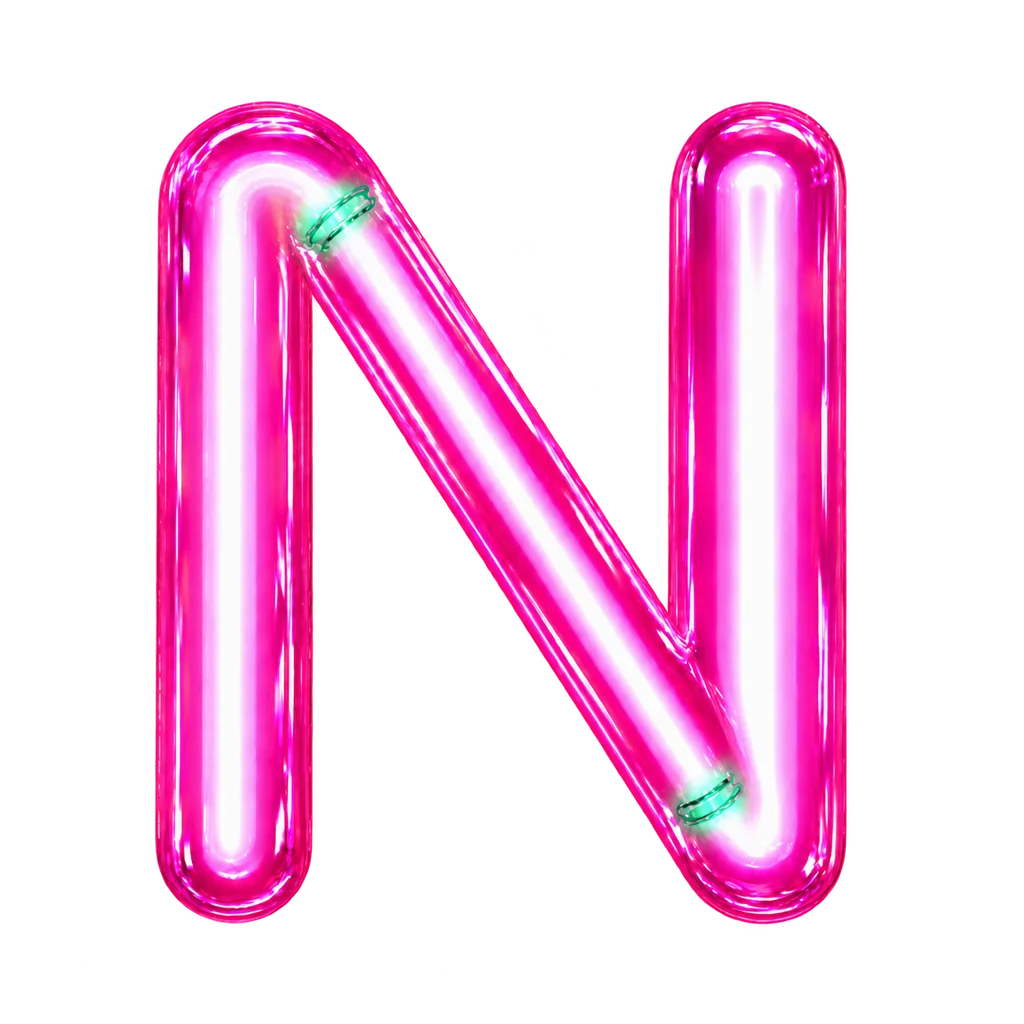
A style word is only the starting point. “Bubblegum” might mean matte, sticky, transparent or balloon-like. Observable material properties such as elastic, highly polished or strongly inflated give the image model a much clearer direction. Add a defined letterform, one consistent light source and a precise crop.
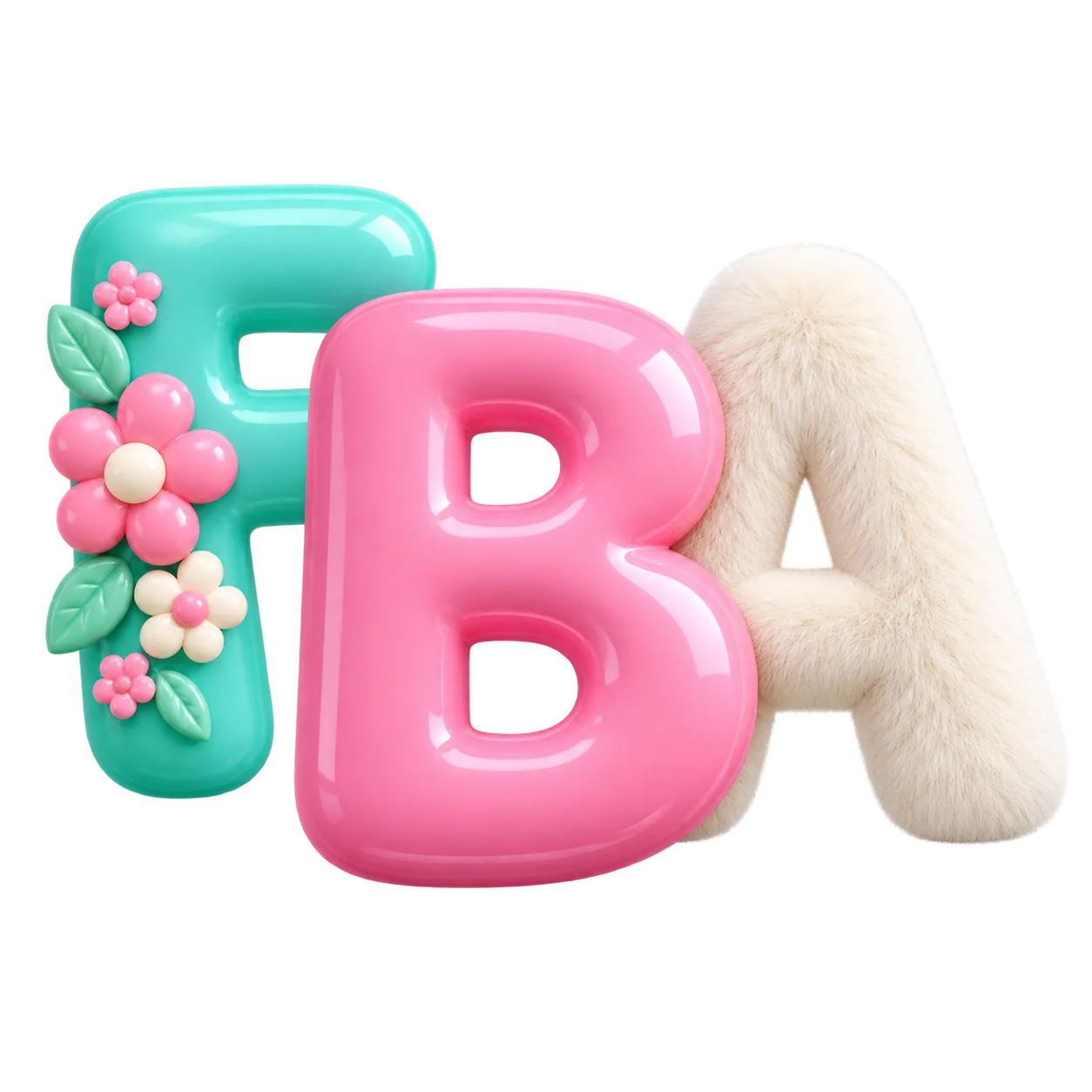
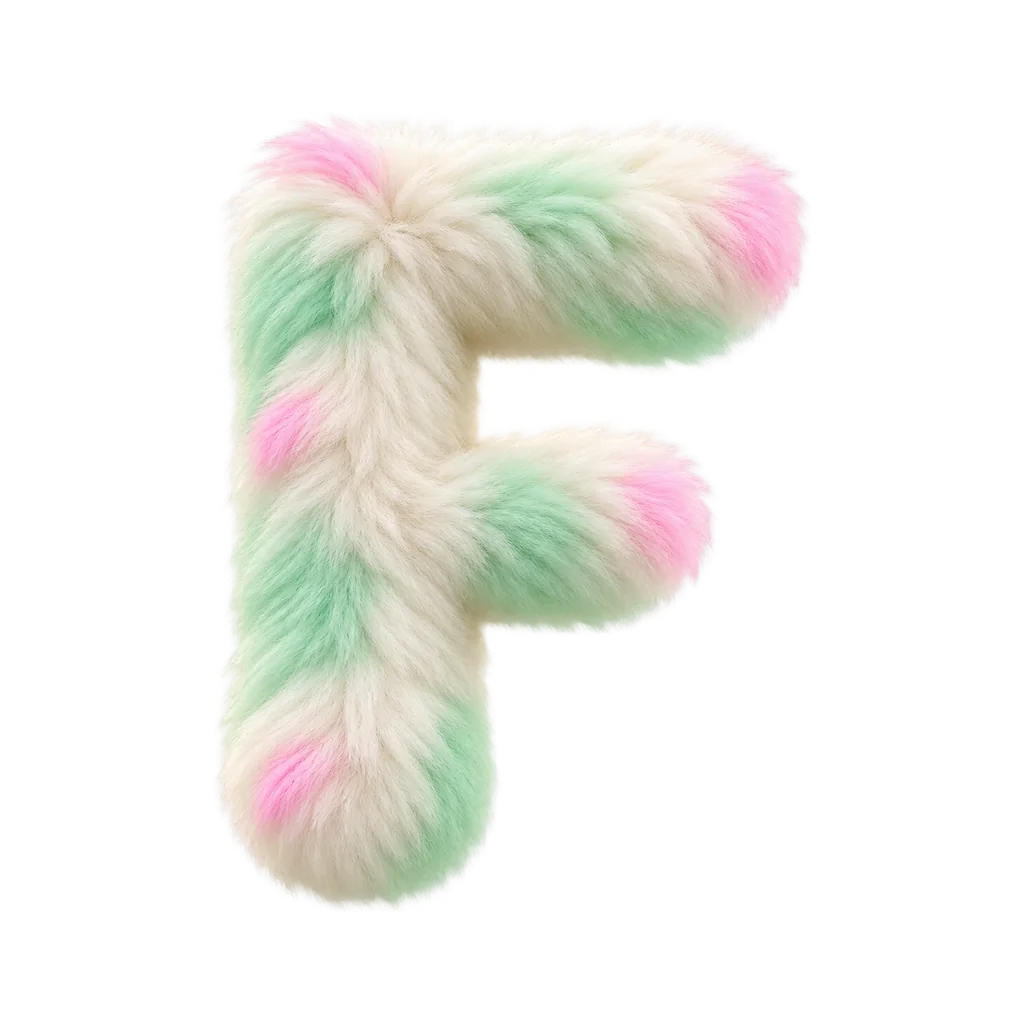
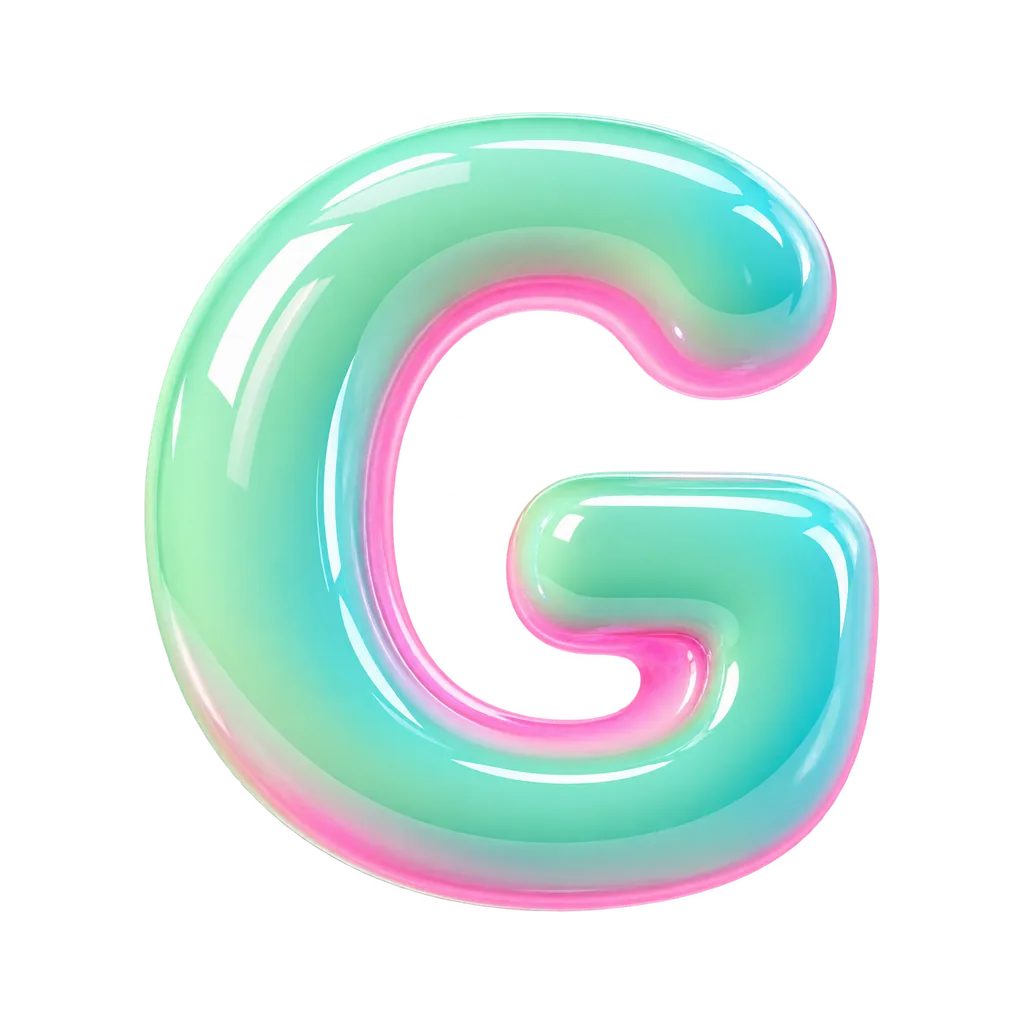
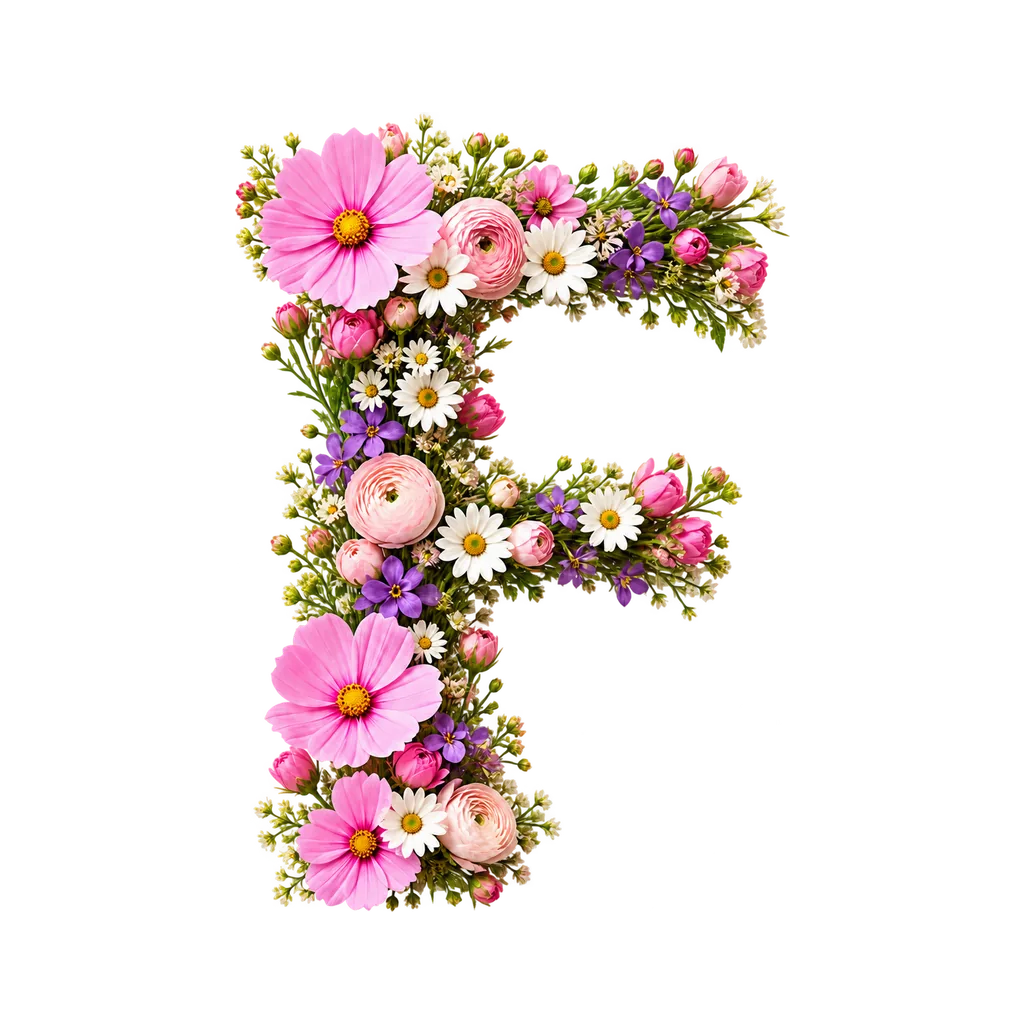
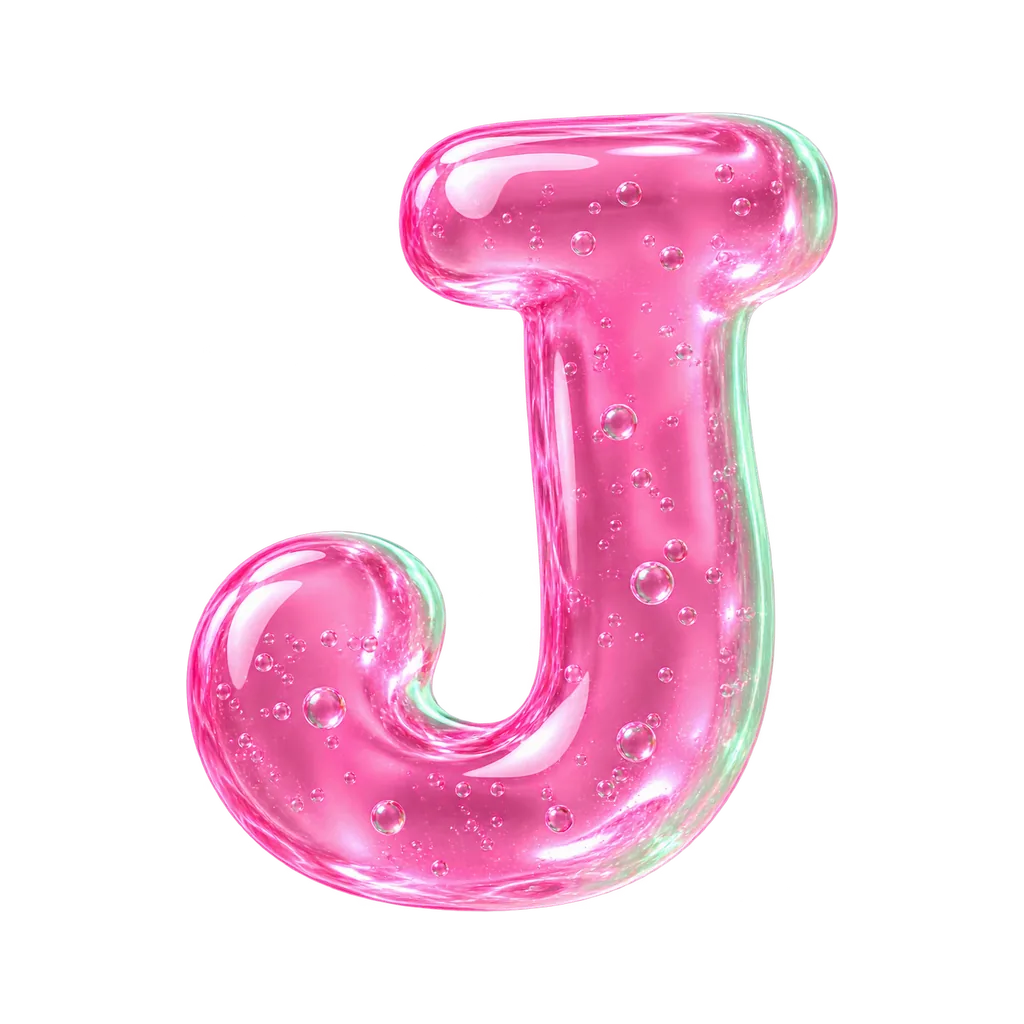
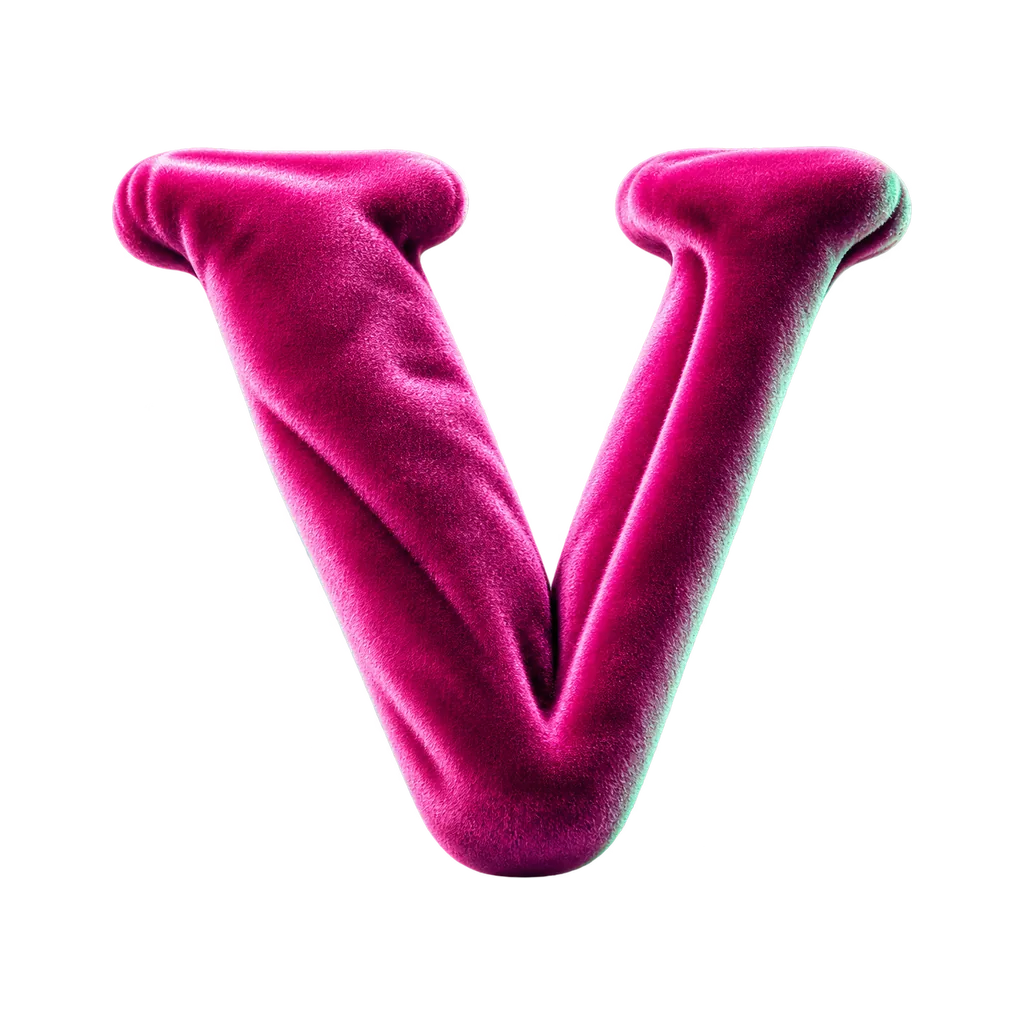
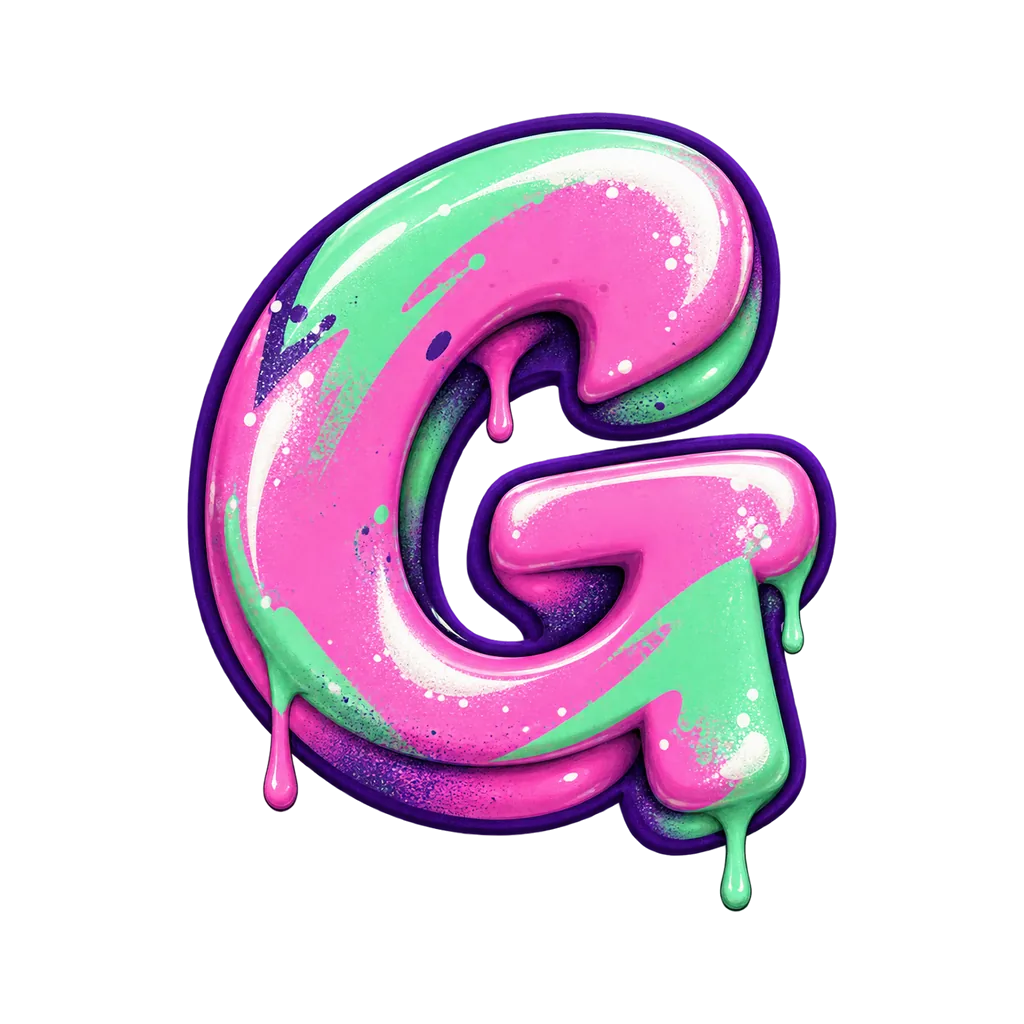
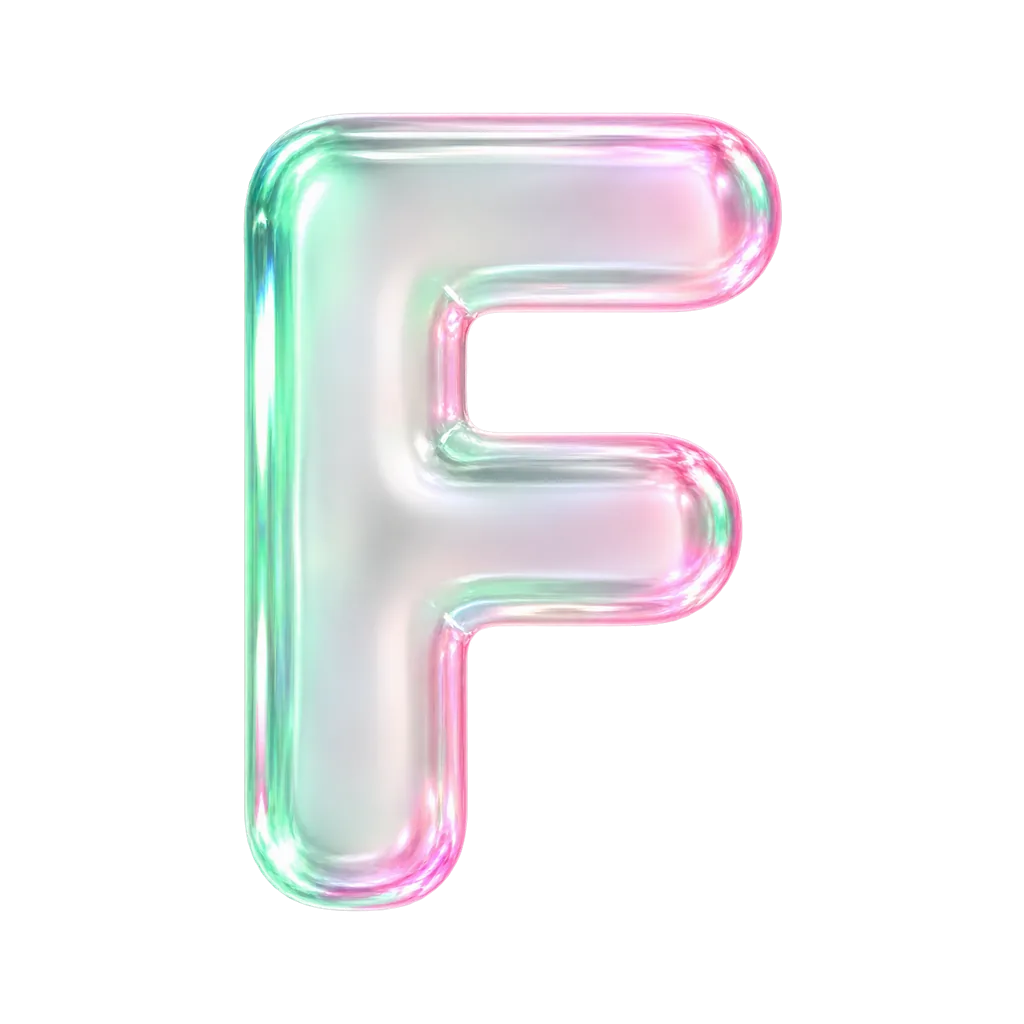
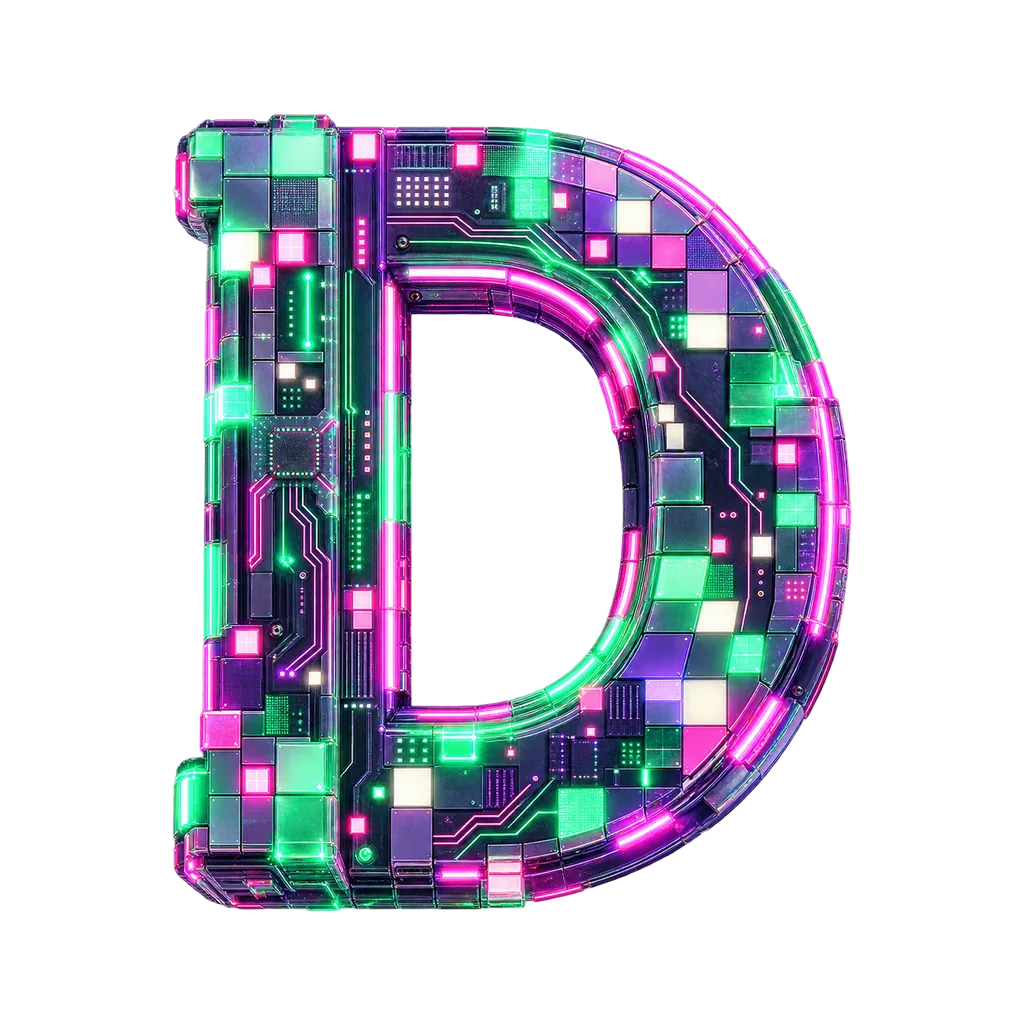
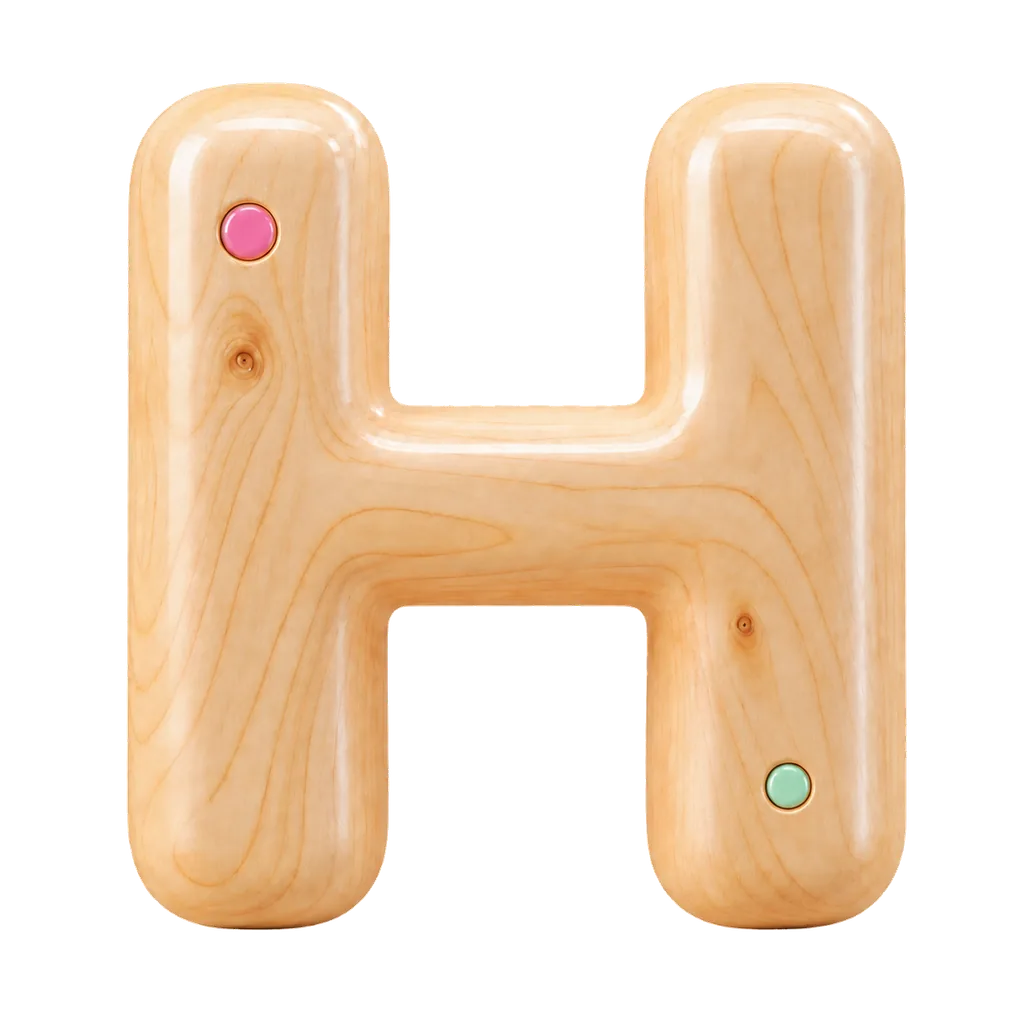
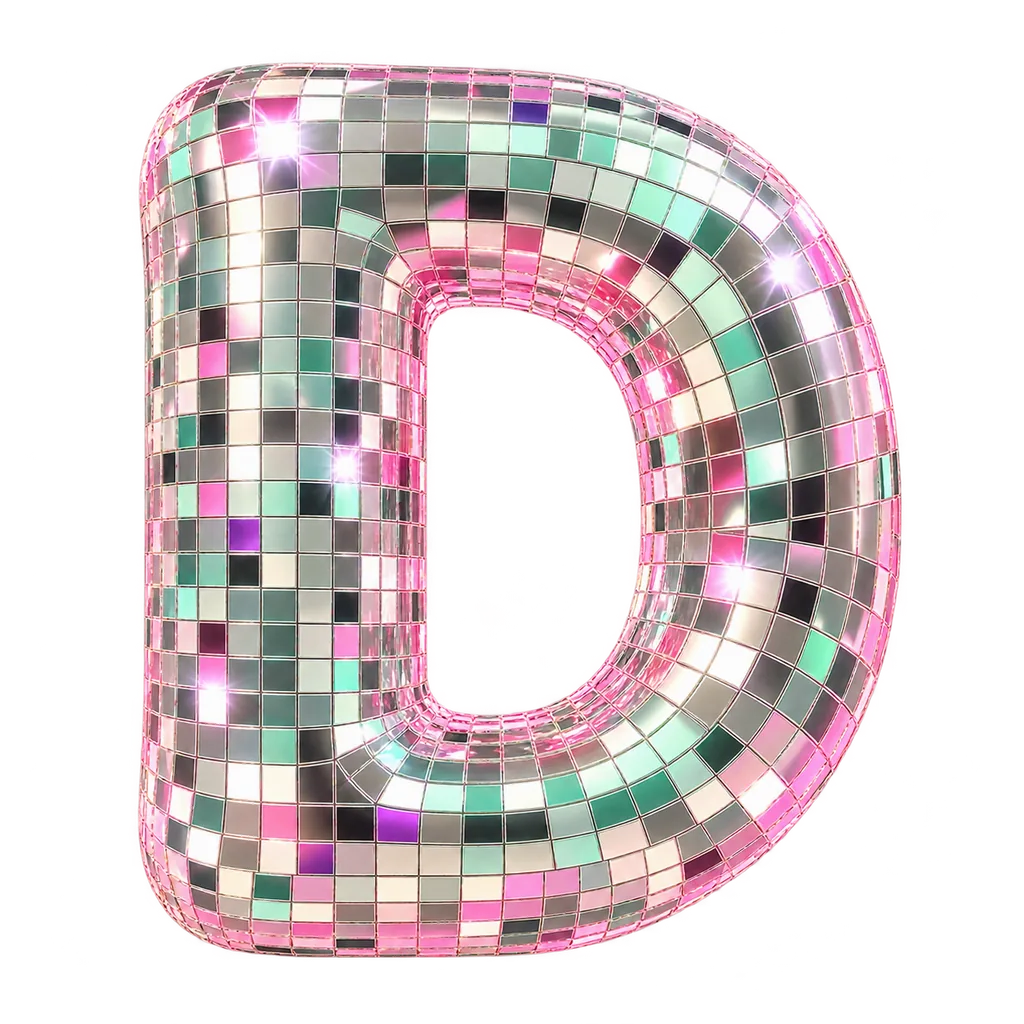
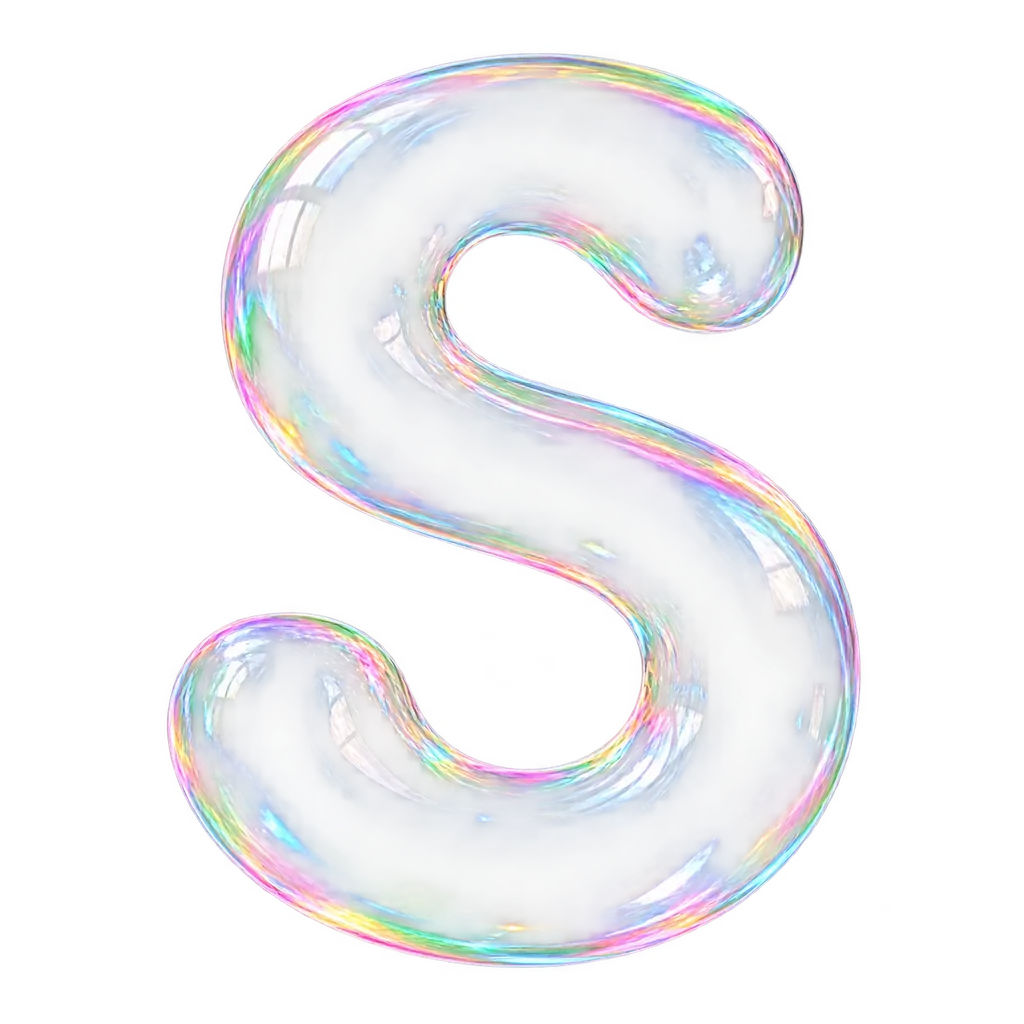
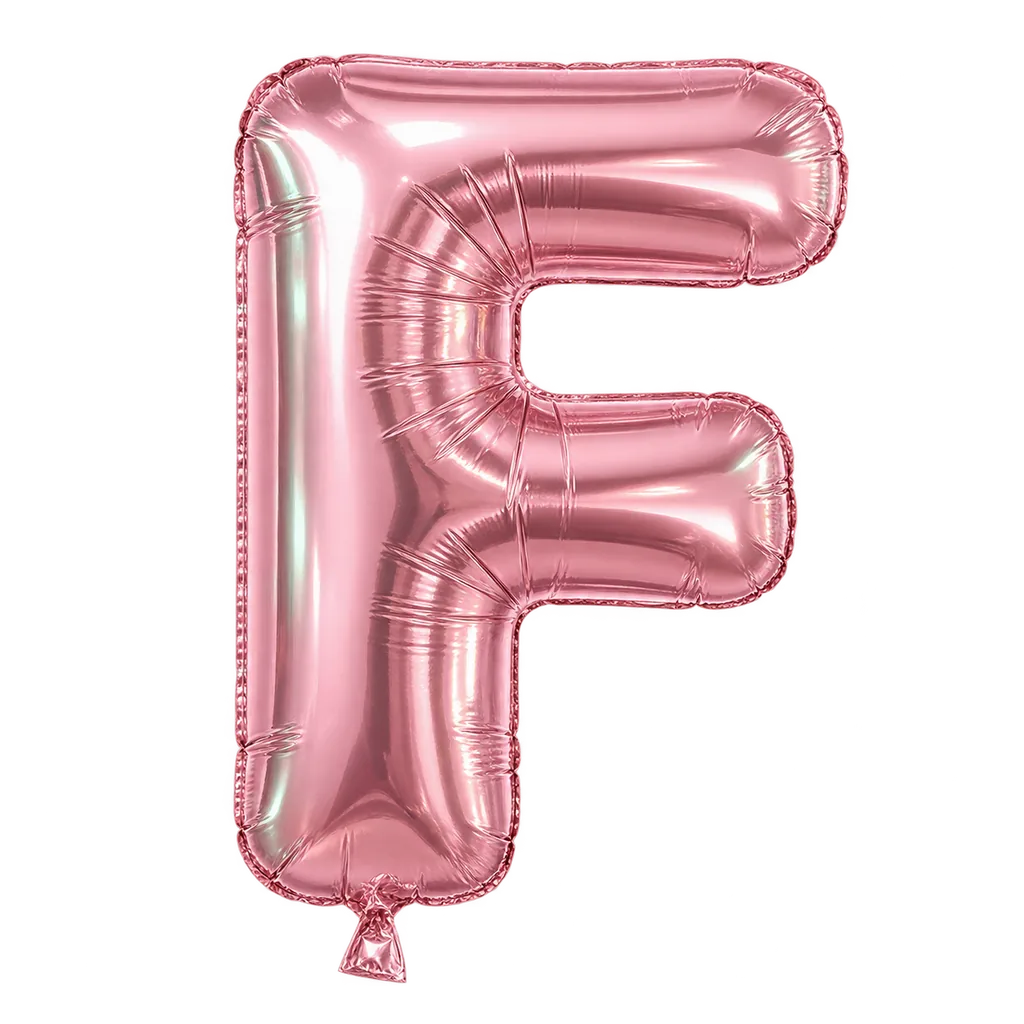
Perspective, subject size and lighting remain consistent throughout this series. Every letter appears by itself on a square transparent canvas while only the material changes. Pink, mint and cream reflect my brand palette without forcing every idea into the same surface treatment.
How to adapt the prompts to your own brand
- Change only the letter first and keep every other instruction unchanged.
- Then replace no more than two or three colours with your brand colours.
- Keep the light source, perspective, canvas and subject scale identical throughout the series.
- Generate short words one letter at a time and assemble them cleanly afterwards.
Why material words work better than vague style words
Words such as “modern”, “creative” or “aesthetic” describe an impression but not a visible surface. Short velvet pile, mirror metal, jelly, flower petals and chewing gum provide concrete information about light, texture and form. The more observable the wording, the easier it is for an image model to translate.
Iteration still matters. Check the readability of the letter first, then the material, and only then fine-tune colour and small reflections. This makes it much easier to understand which prompt change actually improved the result.
Gummy candy is not the same as jelly
Both materials can be translucent, but they respond to light differently. Jelly looks soft, wet and almost liquid, so stronger refraction and larger air bubbles make sense. Fruit gummy candy is firmer, slightly cloudier and usually cast in a flatter mould. A subtle microtexture, narrow mould seam and restrained gloss prevent a gummy letter from turning back into wobbly jelly.